Expedia QuickBooks integration with the channel cut already split
Airflow reads your Expedia reservation emails, separates room revenue from the channel commission, and creates a classed draft invoice in QuickBooks Online for your review.
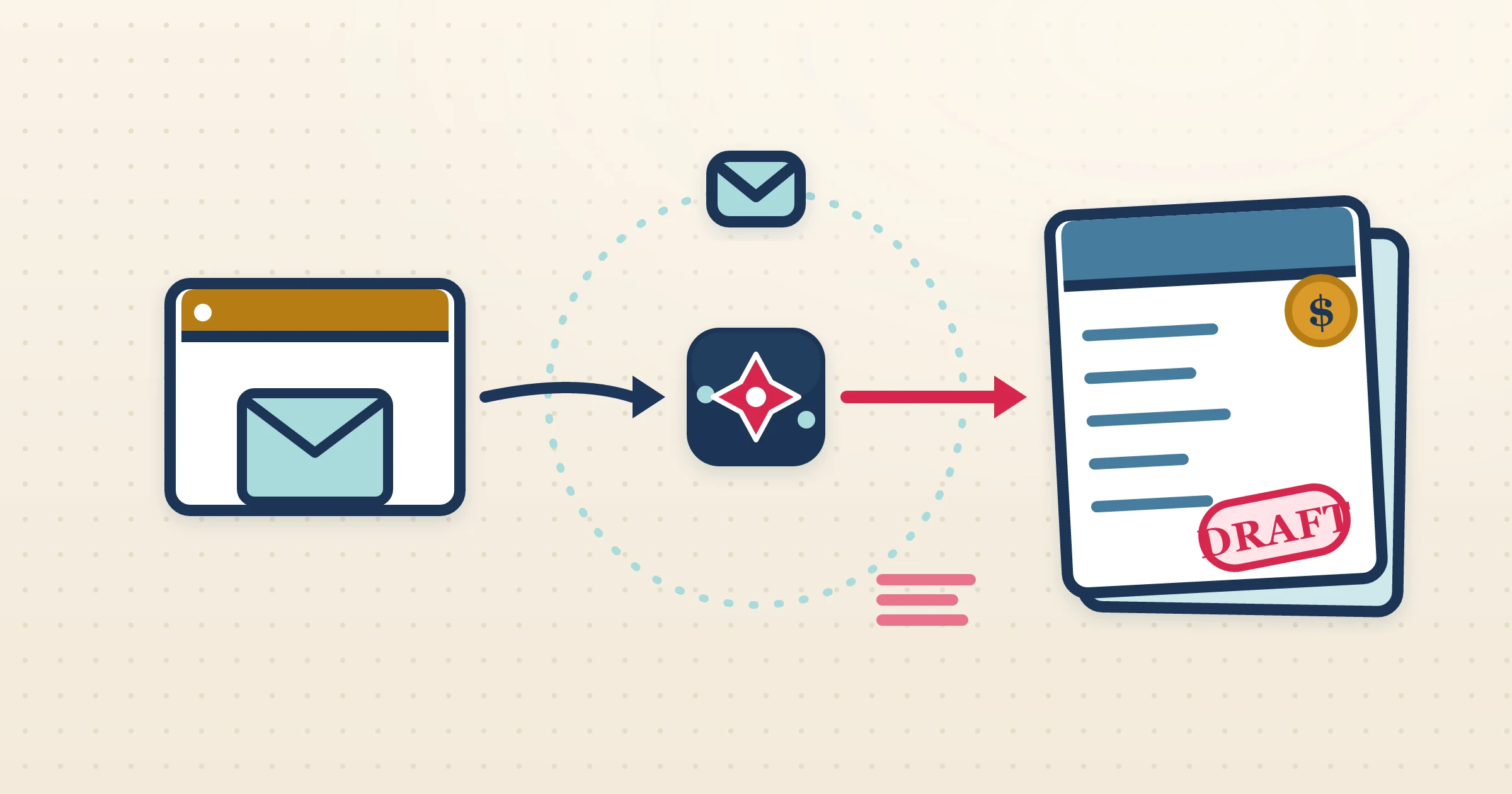
Expedia reservations are some of the hardest to put into QuickBooks Online cleanly. Between the channel commission and the different collection models, the amount that reaches your bank rarely matches what the guest paid, and reconciling that by hand is genuinely error-prone. The Expedia QuickBooks integration in Airflow does the careful part for you: it reads the reservation email, works out the revenue and the channel cut, and builds a draft invoice in QuickBooks with the right class already applied to every line.
How it works
- 1
Connect your inbox or forward emails
Airflow watches Gmail or Outlook for Expedia reservation emails automatically, or you forward them. Each reservation triggers the pipeline.
- 2
The reservation is read in detail
Airflow extracts guest, dates, nights, room rate, taxes and the Expedia channel commission, capturing both the gross revenue and the platform deduction.
- 3
A draft invoice lands in QuickBooks Online
Airflow creates an itemised draft in QuickBooks, breaking out the channel cut and applying the QuickBooks class for that property to every line.
- 4
You review and approve
The draft is yours to check in QuickBooks. Confirm the lines and approve. Airflow is Intuit-approved and only ever drafts — it does not send or record payment for you.
The channel cut, separated before QuickBooks
Expedia takes a commission, and how that is recorded changes your net revenue and your tax position. Airflow separates the room revenue from the Expedia channel cut so your QuickBooks draft reflects what you actually earned and what the platform retained. That split is the difference between a draft that reconciles against your Expedia payout and a month-end spent chasing a discrepancy.
Classes and itemisation, applied automatically
Expedia hosts running several properties depend on QuickBooks classes for per-property reporting. Airflow maps each property to a class and applies it to every line, while breaking the reservation into accommodation, taxes and commission on separate SalesItem lines. The result is a draft where your property breakdown and your net revenue are both correct before you even open QuickBooks.
Reading emails on an Intuit-approved connection
Airflow does not connect to Expedia through a channel-manager API. It reads the reservation-confirmation emails Expedia already sends, which keeps the integration immediate and resilient — nothing to authorise on Expedia, and nothing that breaks when the partner portal changes. On the QuickBooks side the connection is Intuit-approved and runs on live credentials, so the drafts behave exactly like ones you would build by hand.
Common questions
Does Airflow connect directly to Expedia?
No. Airflow reads your Expedia reservation-confirmation emails via Gmail, Outlook or forwarding. It is email ingestion, not a two-way channel-manager API.
Is the QuickBooks connection Intuit-approved?
Yes. It is an Intuit-approved QuickBooks Online connection on live credentials, and it creates draft invoices only.
How is the Expedia commission handled?
Airflow separates room revenue from the channel cut so your QuickBooks draft reflects both gross income and the platform deduction.
Can I report Expedia income by property?
Yes. Airflow maps each property to a QuickBooks class and applies it to every invoice line automatically.
Make Expedia reservations behave in QuickBooks
Airflow reads the emails, splits the channel cut, classes the lines, and hands you a draft to approve.
Start with Airflow