Automated Tasks, Not Per-Property Fees: Why We Chose a Fairer Pricing Model

The pricing problem nobody talks about
The SaaS industry has a dirty secret: most subscription pricing is designed to benefit the vendor, not the customer.
You pay the same amount whether you process 5 bookings or 500. Quiet month? Same bill. Seasonal business where 80% of your revenue comes in four months? Same bill, twelve months a year. The vendor gets predictable revenue. You get a pricing model that ignores how your business actually works.
This is especially egregious in booking software. The standard model is per-property pricing — $30 to $50 per property per month. A host with 5 properties pays $150 to $250 per month regardless of occupancy. In January, when your ski chalet gets 20 bookings, that might feel reasonable. In April, when it gets 2, you’re paying the same amount for a service that’s barely doing anything.
We looked at this model and decided we could do better.
Per-property pricing doesn’t make sense
Let’s run the numbers on a typical per-property setup.
A holiday rental host manages 5 properties. The software charges $50 per property per month. That’s $250/month or $3,000/year. If they average 15 bookings per property per month during peak season (75 total), the cost per booking is $3.33. Reasonable.
But in the off-season, those same 5 properties might see 3 bookings each — 15 total. The monthly cost is still $250, which means each booking now costs $16.67 to process. For a booking worth $200, that’s over 8% of revenue going to software fees.
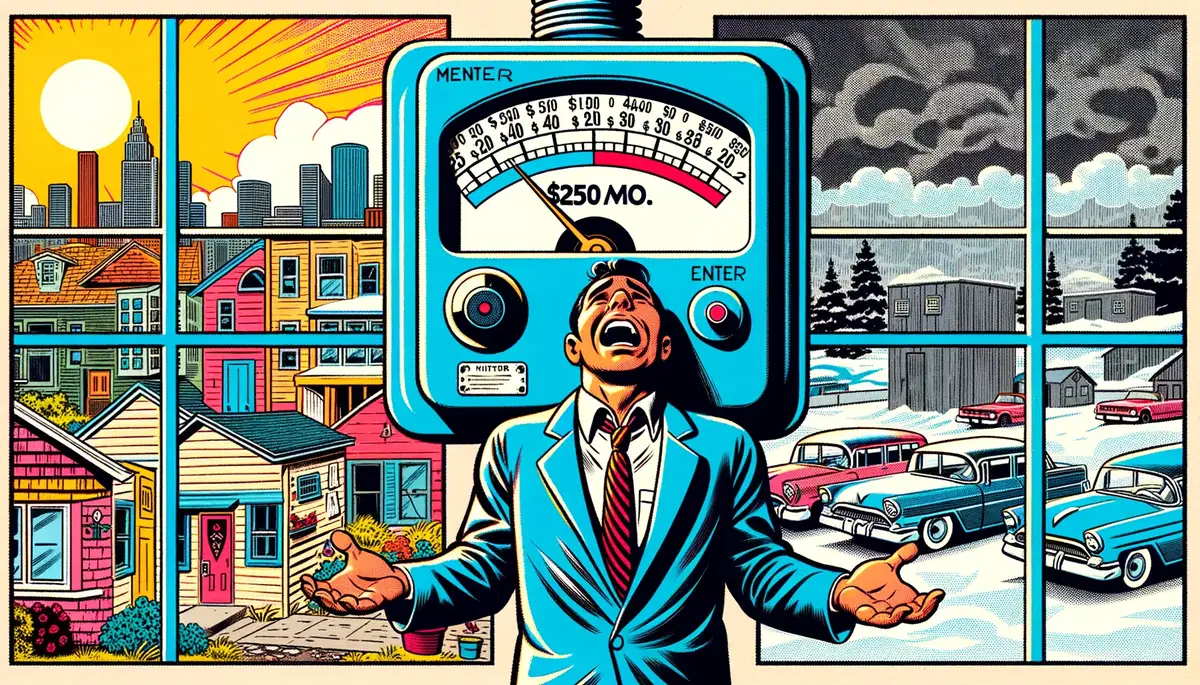
The host is paying for capacity, not usage. Five property slots sit there consuming budget whether they’re occupied or not. And if the host adds a sixth property for a single season, the cost jumps to $300/month — permanently, even if that property only books three months a year.
This is the model we rejected.
How Airflow’s automated tasks work
An automated task is a unit of work Airflow does for you. The most common one is processing a booking through the full pipeline — email forwarding, AI data extraction, categorisation, and accounting sync — so for most hosts, one booking is one task. (A few other automated jobs, like a generated report or an automated guest email, also use tasks; everyday things like settings changes and support questions are free.)
The system is simple on purpose. There’s no complex formula, no variable pricing based on booking value, no surprise charges for API calls or storage.
One shared monthly pool
Your plan includes a monthly allowance of automated tasks shared across all your properties — there’s no per-property quota. If you have 100 tasks and 5 properties, any property can draw from the same pool. The allowance resets on your billing date, so you get a fresh batch each cycle.
Busy month? Top-ups, not hard stops
If you process more bookings than your monthly allowance covers, Airflow doesn’t stop working. Once your included tasks are used up, additional bookings draw from pay-as-you-go top-up tasks at your plan’s overage rate, so nothing falls through the cracks during a busy spell.
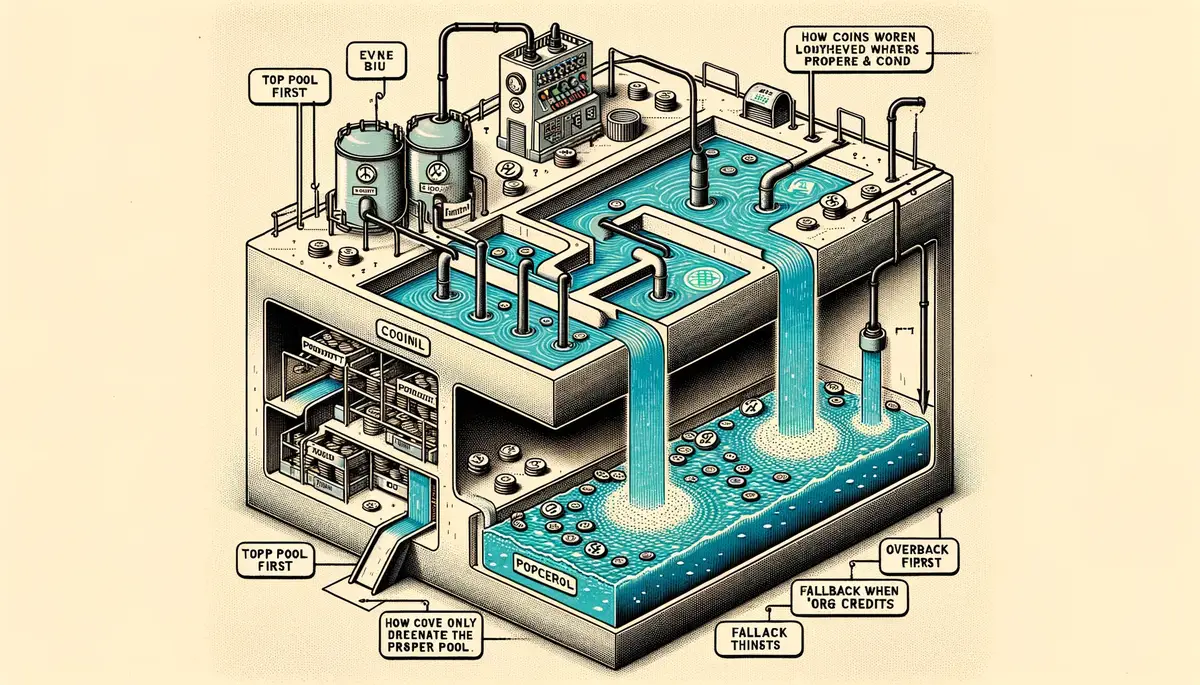
Think of your monthly allowance as your budget for normal operations, with top-ups quietly catching any overflow — you’re only ever charged for what you actually process.
The plan tiers
We designed the paid plans — Starter, Growth and Portfolio — to match real business sizes, each with more listings and a bigger monthly allowance of automated tasks. See current plans for prices, included automated tasks and listing limits.
The more you process, the cheaper each booking gets: bigger plans include more tasks for the money, so a high-volume host pays a fraction of what manual processing costs.
Paid plans start with a free trial (its length is on the pricing page), so you can see the system work before committing.
The math that matters
Let’s compare Airflow’s plans against the two most common alternatives: per-property software and manual bookkeeping.
Manual bookkeeping at a bookkeeper’s rate of $30/hour, with each booking taking roughly 20 minutes to process: that’s $10 per booking. At 50 bookings per month, you’re spending $500 on bookkeeping alone.
Per-property software at $50/property/month with 5 properties: $250/month regardless of volume.
Airflow on the Growth plan at 50 bookings: one plan, one monthly price (see current pricing), with 50 bookings well inside its allowance of automated tasks.
| Method | Monthly Cost (50 bookings) | Per Booking |
|---|---|---|
| Manual bookkeeping | $500 | $10.00 |
| Per-property software | $250 | $5.00 |
| Airflow (Growth) | See pricing | A fraction of either |

That’s not a marginal improvement. It’s an order of magnitude cheaper than manual processing and far less than per-property alternatives — and you get AI-powered extraction and automatic accounting sync included.
Full transparency on consumption
Every automated task is logged. You can see exactly which booking or automated job used a task, when it was consumed, and what it was for. Full audit trail, always.
This matters because opaque billing erodes trust. We’ve all been burned by SaaS products where you can’t figure out why your bill changed. With Airflow, every task has a paper trail.
Low-allowance alerts
Nobody likes surprise outages. When your remaining automated tasks run low, Airflow sends automated alerts. You’ll know in good time, giving you the chance to wait for the monthly reset or add top-up tasks.
The system never stops processing without warning. You always have visibility into your task balance and usage rate.
The honest trade-off
I want to be upfront about the trade-off. An allowance of automated tasks means you need to think about volume. If you consistently process more bookings than your plan includes, you’ll need to upgrade your plan or lean on pay-as-you-go top-ups. That’s a mental overhead that flat-rate pricing doesn’t have.
We think the trade-off is worth it. You pay for what you use. Quiet months cost less. Busy months cost more — but you’re making more revenue in those months. The pricing scales with your business instead of against it.
For seasonal businesses especially, this is a fundamentally fairer model. You’re not subsidising your quiet months at peak-season rates. You’re not paying for property slots that sit empty. You’re paying for bookings processed, which is the thing that actually generates value.
One more thing
The task-allowance model also means we’re incentivised to make Airflow more valuable per booking, not to lock you into more property slots. Our growth comes from processing more bookings better, not from charging you for unused capacity.
When the vendor’s incentives align with the customer’s outcomes, good things tend to happen.