What to Do When a Guest Hasn't Paid the Balance
The balance nobody chased
A guest booked in March, paid a deposit, and the balance fell due thirty days before arrival. That was last Tuesday.
Nothing happened. No email went out. The booking still says confirmed. The guest is not thinking about it, because from their side they paid you and the transaction is closed. And you will find out either the week they arrive, or when you do your books, whichever comes first.
This is the single most common way a booking business quietly loses money — not a dramatic default, just a balance that nobody was responsible for asking about. Here’s how to fix it, and the part most guides skip: what to do when you don’t have the guest’s email address at all.
Start with the list you probably don’t have
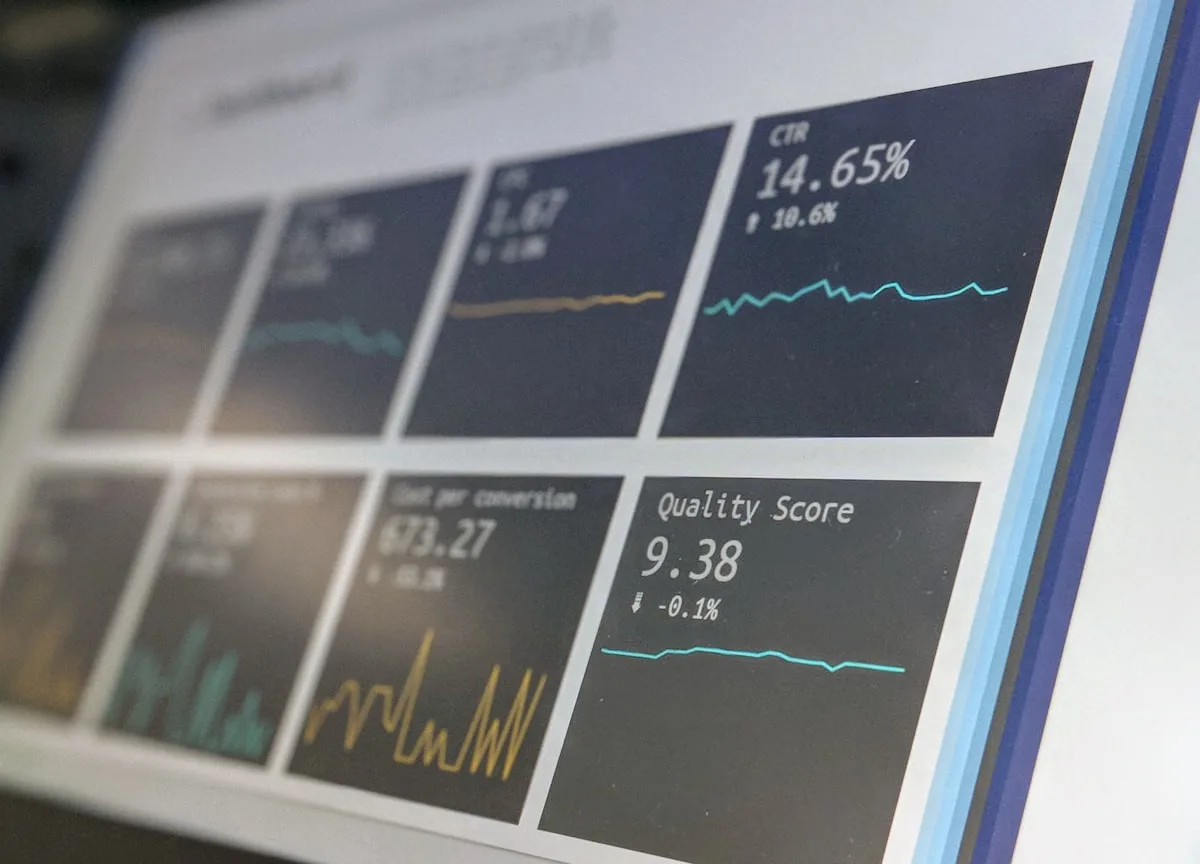
Before automating anything, get the number. You want one view that answers: which confirmed bookings have money outstanding, and how overdue is each one?
Most hosts cannot produce this. Bookings live in one place, payments in another, and “what’s owed” is a sum nobody computes. If you can’t answer it today, that’s the first thing to fix — because everything below is just how to act on that list.
Two refinements that turn it from a report into a worklist:
- Sort by how overdue, not by arrival date. A balance three weeks past due on a stay in April is a worse problem than one due next week for a stay in October.
- Flag the ones where waiting won’t help — no email address on file, the guest has already stayed, or they arrive within a fortnight. Those need a different action, not another reminder.
In Airflow that’s the Owed and At-risk filters on the bookings list, with an amber marker on the second category.
Automate the easy half
If you took the booking directly and you have the guest’s email, this should be entirely hands-off.
Airflow runs a job every morning at 09:00 UTC that finds direct bookings with a deposit paid and a balance falling due, and emails the guest a payment link — with a seven-day cooldown so nobody gets nagged daily. The guest pays from their portal, the booking updates, and commission is charged proportionally on the balance rather than up front.
That covers the straightforward case completely. Set the policy once and stop thinking about it.
One honest limit: nothing auto-cancels a booking whose balance never arrives. There’s no rule that releases the dates at T-0. That’s a deliberate gap rather than an oversight — automatically cancelling a stay because a payment is late is a decision with a guest and a relationship attached, and we’d rather tell you than make it for you. But it does mean the chase ends with you.
The hard half: guests you cannot email
Here’s what almost nothing addresses, and it’s where the real money sits.
Channel bookings frequently arrive without a usable guest email. Many channels give you a relay alias rather than a real address, and a relay alias is not something you should store as the guest’s email — it expires, it’s not theirs, and using it as an identity is a mess later.
The consequence is sharper than it looks: a payment request cannot be created at all without an address. Both major card processors require an email to open a transaction. So the automation that works perfectly for direct bookings hard-refuses on these, by design, rather than generating a broken link.
Which leaves a category of booking where real money is owed and no automated chase is possible.
The answer is to notify you instead of the guest. A watchdog runs daily at 05:00 UTC across every confirmed booking with a payment-schedule row due today or overdue, and raises it — rising from high to critical once it passes a week. Each one tells you the guest, the reservation, the amount, how overdue it is, and crucially whether an email is on file:
- If there is one, a payment request can be sent from the booking.
- If there isn’t, it tells you to chase through the channel’s own message thread — the one place the guest reliably reads.
How a guest with no email actually pays you
This is the part worth setting up before you need it.
Send the guest your guest-page URL and their reservation number through the channel’s message thread. They enter the reservation number and their surname, and land in their booking — where they can add their own contact details and pay.
The lookup is rate limited and doesn’t reveal whether a reference exists when it fails, so it isn’t an enumeration tool. And bank transfer and mobile money need no email address at all; only the card path does, and the portal collects it at that moment.
One practical note learned the hard way: the matcher takes the last word of the stored guest name as the surname. Tell guests “your last name as it appears on the booking” — a full name also matches — rather than just “your surname”, and you’ll avoid a round of confused replies.
Record what actually arrived
When the money lands, record the real amount, not the expected one.
Bank transfers arrive light because the sending bank took a fee. Guests round down. Someone pays part now and the rest later. If your system insists on confirming a pre-filled figure, your records drift from your bank account by small amounts that are miserable to reconcile a quarter later.
The field should be editable and should default to the expected amount for the common case. Airflow also shows the exact commission before anything is charged to your card, so you approve a number rather than discover it.
And if you agreed the price in a different currency from the one you bank in, the balance is tracked in the currency you agreed. Asking “what’s still owed” in your ledger currency gives an answer that changes with the exchange rate. Quote in Their Currency, Bank in Yours covers that properly.
A routine that takes ten minutes a week
- Open the outstanding list, sorted by days overdue. Not by arrival.
- Anything with an email and no recent reminder — send the payment request. Usually a click.
- Anything without an email — message them through the channel thread with your guest-page link and their reservation number.
- Anything past a week overdue — that’s a phone call or a decision, not a fourth email.
- Anything where the guest has already stayed — accept that this one is a debt, not a pending payment, and treat it accordingly in your books.
The fifth category is the one people avoid, and it’s why the list is worth keeping. A balance that goes unasked-for long enough stops being late and starts being written off.
The underlying point
Chasing money is unpleasant, so it gets deferred, and deferring it is exactly what makes it harder. The fix isn’t discipline — it’s making the system produce the list, send what it can send on its own, and tell you plainly about the ones it can’t touch.
Automate the guests you can reach. Get told about the ones you can’t. Never let a balance become invisible just because no email address was attached to it.
Related: Deposit Now, Balance Later, How to Take a Deposit on a Direct Booking, See the Number Before You Charge It, and Who Collects the Money on a Booking.com Stay?.