
Nobody Should Manage a Night Cap by Hand
Counting nights against a letting limit every month, for every property, forever, is a job that fails quietly. What it takes to hand it over safely — and what should still need your say-so.
Can a night cap be managed automatically? →
Which Nights Should You Give Up?
If a night cap means closing part of your year, the question is not how many nights but which ones. Rank the year by your own rate card and the answer changes by thousands.
Which nights should I close to stay under a night cap? →
How to Find Your Airbnb iCal Link and Sync It with Other Calendars
Where the Airbnb calendar link is, how to paste it into VRBO, Booking.com or Google Calendar, how to import their calendars back, and what an iCal link can and cannot carry.
Where is my Airbnb iCal link, and how do I sync it? →
Vienna and Berlin: When the Cap Depends on Where You Sleep
In Vienna and Berlin the number of nights you may let depends first on whether the flat is your main home. Why residence is the hinge, what each city allows, and how to set it up.
How many nights can I let in Vienna or Berlin? →
Cape Town's 50% Rule: Stay Under, or Go Commercial?
Staying under Cape Town's draft 50% letting threshold means closing nights. Crossing it means commercial rates. How to work out which costs you less, with three worked examples, including a family home with a garden cottage.
Should I stay under Cape Town's 50% rule or go commercial? →
Amsterdam's 30 Nights — and 15, If You're in the Wrong Street
Amsterdam caps holiday letting at 30 nights a year, and at 15 in eleven central neighbourhoods since April 2026. Plus the per-booking reporting duty hosts keep missing.
How many nights can I let in Amsterdam? →
Paris Is 90 Nights Now, Not 120
Paris cut its principal-residence cap from 120 nights to 90 with effect from January 2025. What changed, what the 13-character number is, and how to count it.
How many nights can I let my home in Paris? →
London's 90 Nights: How to Count Them Before the Council Does
The 90-night rule applies to the property, not to you, resets on 1 January, and has a second condition most hosts have never heard of. How to count it properly.
How do I count London's 90 nights? →
A Night Cap Is an Accounting Problem, Not a Calendar Problem
Your calendar shows today. It cannot tell you what was available last March — and that is exactly what a night-cap rule asks. Why proving your number needs a ledger.
How do I prove how many nights my property was let? →
Short-Term Rental Rules by City, 2026
Night caps, registration numbers and licence freezes across Europe and Africa, with the number, the authority and the date for each — and what actually counts towards your limit.
What are the short-term rental rules in my city? →
Occupancy Was 78%. So Why Was It a Bad Year?
Occupancy and average rate both flatter a bad year. What a per-night value chart shows that neither does, and how to find the months where you discounted and still didn't fill.
What did each night of my year actually earn? → Will My Garden Cottage Be Affected by Cape Town's 50% Availability Rule?
You live in the five-bedroom house and let the two-bedroom cottage. Under Cape Town's draft by-law the erf is one property, so the cottage borrows the whole house's capacity — and the answer flips entirely if the City counts it the other way.
Will Cape Town's 50% rule affect my garden cottage? →
Short-term Letting in the City of Cape Town
What the City of Cape Town's draft Short-Term Letting By-Law, 2026 actually requires: registration, a registration number on every listing, availability and occupancy data sharing, and the 50% room-nights rates threshold. Comment closed on 5 October 2026; rating changes are due from 1 July 2027.
What does Cape Town's draft short-term letting by-law require? →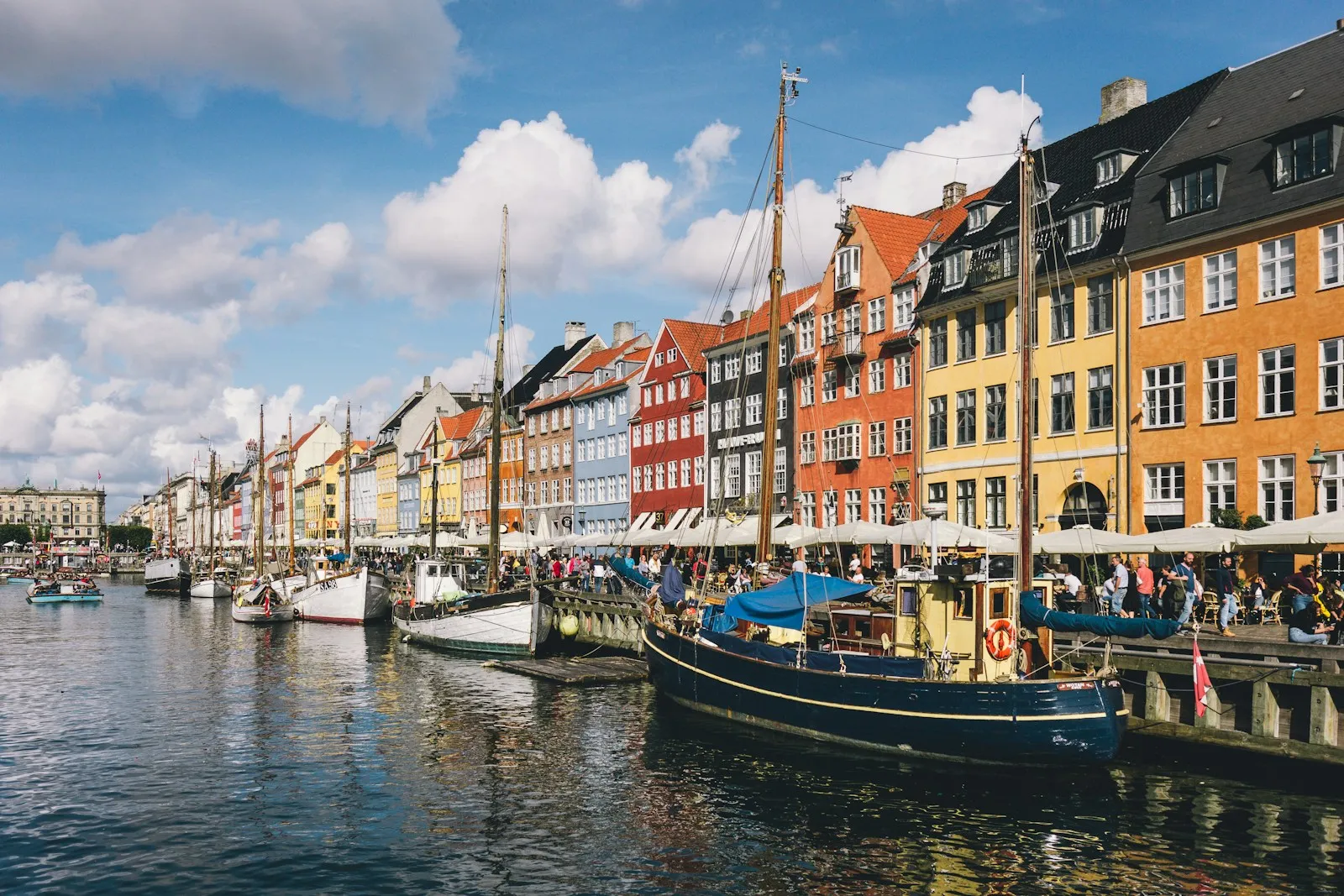
Copenhagen's 70 Nights and the Reporting Condition
Denmark lets you rent out your whole home for 70 days a year only when every booking goes through a platform that reports your income to the tax agency. Otherwise it is 30.
How many nights can I let my home in Copenhagen? →
Where Your Bookings Are Actually Sold
A row of tiles under your bookings list and calendar showing every place each property can be booked, whether it is live, and the listing title Airflow matches your booking emails against.
Where can each of my properties be booked? →
Letting an Owner Block Their Own Dates Without Handing Over Your Calendar
Owners want to use their own property. You cannot give them the keys to your calendar. Here is how owner block-date requests work in Airflow: the owner asks, you approve, and only then is anything blocked.
How can an owner block their own dates safely? →
What to Show an Inspector: A Night-by-Night Letting Statement
If a council asks how many nights your property was let or offered, a screenshot of today's calendar proves nothing. What a letting statement should contain, and how to download one.
What do I show an inspector who asks about my letting nights? →
Staying Under Cape Town's 50% Letting Threshold
The draft by-law counts nights your property is available, not nights it's booked. Here's how the 50% maths works and what it means for your rates bill.
How do I stay under Cape Town's 50% letting threshold? →
No-Shows and Guests Who Never Pay
Abandoned checkouts, offers that expire, and the stay nobody turned up for. What each one should do to your calendar, your books and your task allowance.
What should happen when a guest never pays or never arrives? →
Your Calendar Still Shows a Cancelled Booking
A guest cancelled on the channel, but the dates are still blocked everywhere else. Why feeds leave stale blocks behind, and how to clear them.
Why does my calendar still show a cancelled booking? →
How to Set Seasonal Rates for a Short-Term Rental
Fixed rack rates or a percentage off a base? Recurring seasons, minimum stays, discount stacking, and a yearly increase that compounds correctly.
How do I set seasonal rates for a short-term rental? →
A Booking Is a Thing at a Time
One booking engine for nights, days, per-person tours, appointments and timed sessions, with the same checkout, invoice and books behind every type.
Can one system take nights, tours and appointments? →
Every Booking You Already Have, In One Place
Import existing bookings three ways: a CSV or Google Sheet, an iCal feed, or typed by hand. Every route blocks the dates before it touches your books.
How do I import the bookings I already have? →
Channel Manager vs. Better Accounting: What You Actually Need
A channel manager distributes rates and availability across OTAs. Airflow connects bookings to your accounting. Here is how to tell which problem you actually have.
Do I need a channel manager or better accounting? →
Calendar & Channel Sync
How Airflow consolidates bookings from every source into one calendar and publishes an availability feed your channels can import — helping prevent double-bookings.
How does calendar sync work in Airflow? →
Why Your iCal Sync Keeps Breaking — and What to Do About It
Double bookings, stale calendars, and missing reservations. iCal sync is the glue holding most booking businesses together — and it's failing. Here's why, and a better approach.
Why does my iCal sync keep breaking? →
Managing Bookings from 5 Platforms Without Losing Your Mind
Airbnb, Booking.com, VRBO, HomeExchange, and direct enquiries — all in separate tabs, separate calendars, separate inboxes. There's a better way.
How do I manage bookings from five platforms? → HomeExchange, HomeSwap, and the Calendar Problem Nobody Talks About
Home exchange platforms are great for free travel. But they don't give you a unified calendar, accounting records, or any way to manage swaps alongside paid bookings. Here's how to fix that.
How do I manage home swaps alongside paid bookings? →
One Calendar to Rule Them All
Day, week, month, and year views — all in one calendar. See every booking across every property at a glance.
Can I see every booking in one calendar? →